Die cutting is an important step in the production of printed packaging, but it is not the end of the process.
After die cutting, the sheets or packaging blanks may still need waste removal, lamination, folding, gluing, inspection, and packing before they become finished products. The exact process depends on the packaging structure and product requirements.
Understanding what happens after die cutting can help manufacturers identify bottlenecks and improve their overall production workflow.
1. Waste Removal After Die Cutting
After die cutting, unwanted material may remain around or between the finished pieces. This waste needs to be removed before the products can move to the next process.
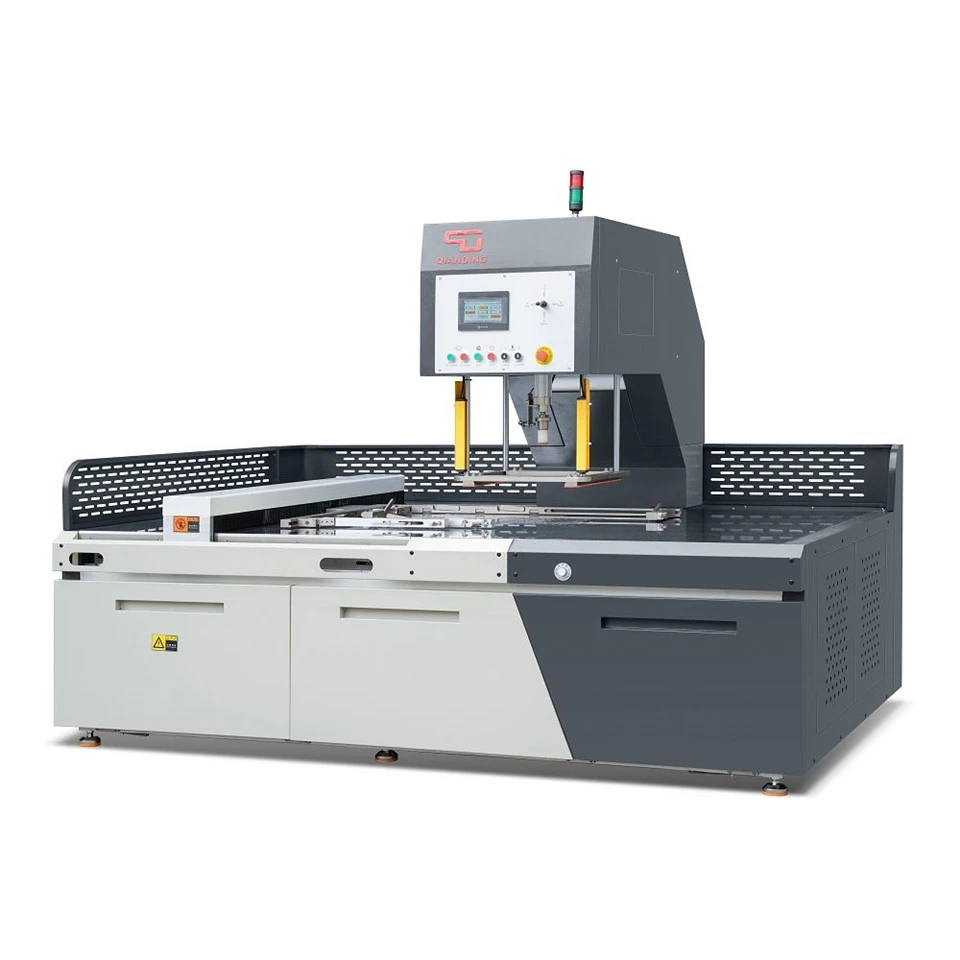
For some packaging applications, this can be done manually. For higher-volume production, an Automatic Blanking Machine or Stripping Machine can be used to separate the finished pieces from die-cut waste.
Effective waste removal helps reduce manual handling and prepares the sheets for subsequent finishing processes.
2. Lamination and Surface Finishing
Depending on the packaging application, printed sheets or cardboard may require additional surface treatment.
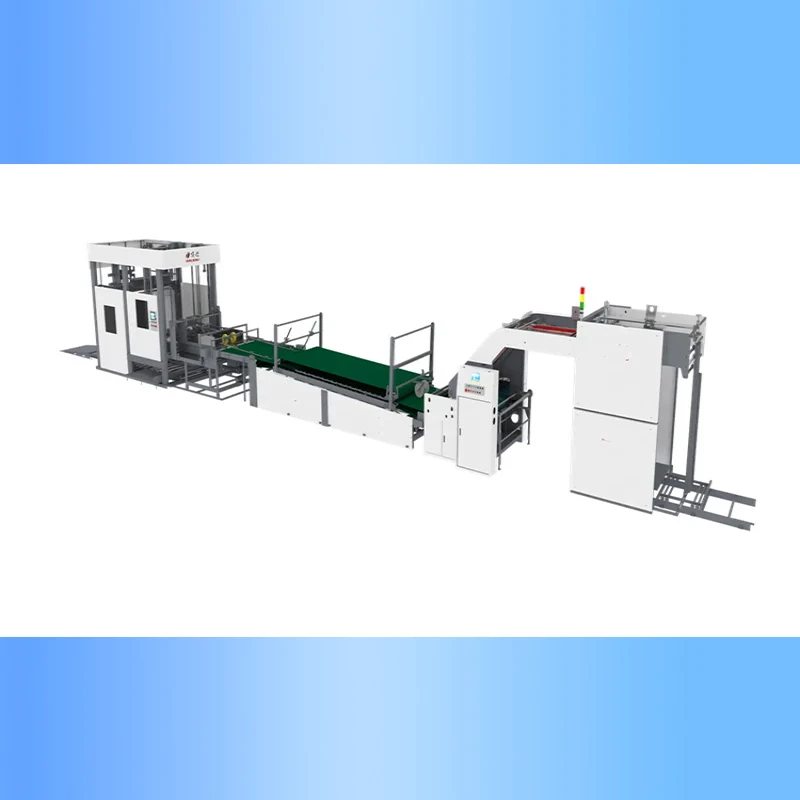
Lamination can be used to combine materials or add a protective or decorative layer. In carton and corrugated packaging production, equipment such as a Flute Laminator or Cardboard Laminator may be used for this stage.
Not every packaging product requires lamination, so this process should be selected according to the material and final product requirements.
3. Folding and Gluing
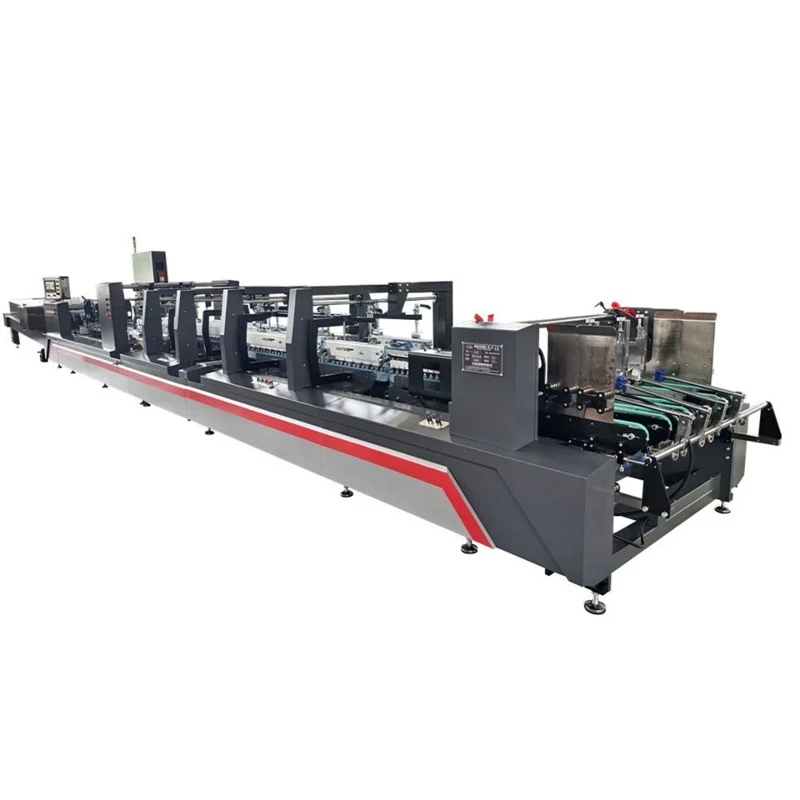
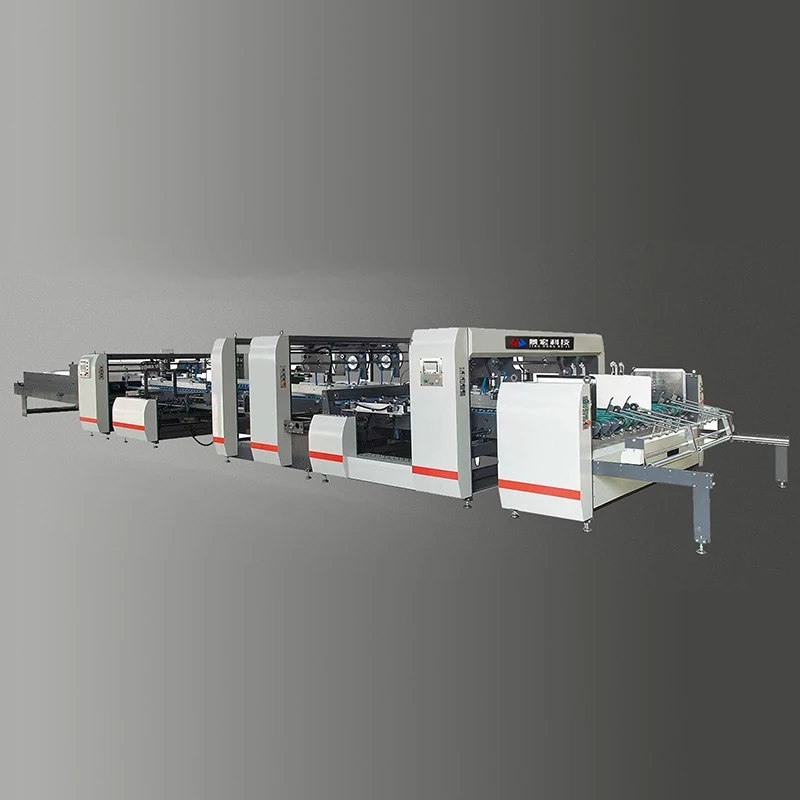
For folding cartons, paper boxes, and similar products, die-cut blanks normally need to be folded and glued into their final shape.
An Automatic Folder Gluer can perform these repetitive operations continuously, reducing manual folding and gluing work while improving production consistency.
The machine configuration needs to match the carton structure, material, and required folding and gluing operations.
4. Inspection and Packing
Before finished packaging is delivered, manufacturers normally need to check important quality points such as:
die-cutting accuracy
folding position
glue application
surface condition
overall appearance
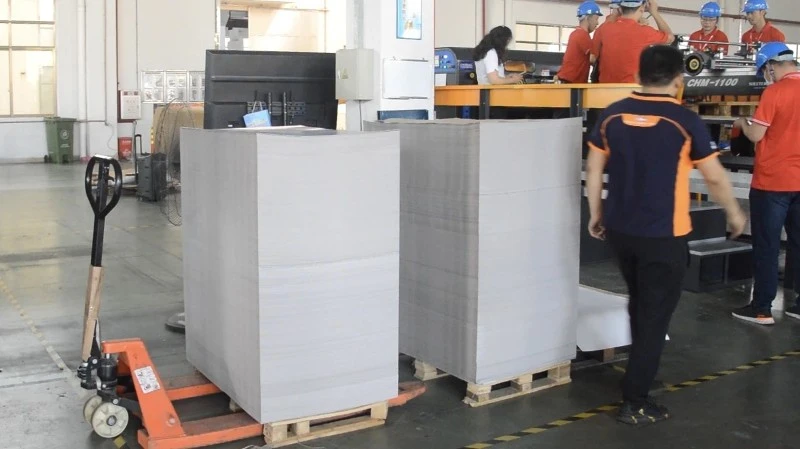
Qualified products can then be counted, bundled, packed, and prepared for shipment.
5. The Complete Post-Press Workflow
A typical packaging workflow can be summarized as:
Printing → Die Cutting → Waste Removal → Lamination (if required) → Folding & Gluing → Inspection → Packing
However, not every product follows exactly the same sequence. Some packaging products may skip lamination, while others may require additional finishing operations.
Conclusion
Die cutting is only one part of the packaging production process. The efficiency of the following operations-especially waste removal, lamination, folding, gluing, inspection, and packing-can also affect production capacity and labor requirements.
For packaging manufacturers, improving the entire post-press packaging process, rather than focusing on a single machine, is often the more practical way to improve overall workflow efficiency.
How to contact with us:
Email: chm007@szchm.com
Wechat/Phone/WhatsApp:+8617371066702
Follow me on Social Media:
Facebook: https://www.facebook.com/facebookCHMCassie/
Instagram: https://www.instagram.com/chm_sheeter_cassie/
LinkedIn: http://www.linkedin.com/in/chm-cassie-she-6b6200302
Youtube:http://www.youtube.com/@CassieShe