Blanking machines are widely used in industrial production, but they can be categorized into various types based on their structure, control method, applicable materials, and processing technology. Understanding these differences helps in selecting and using the right equipment to achieve optimal performance.
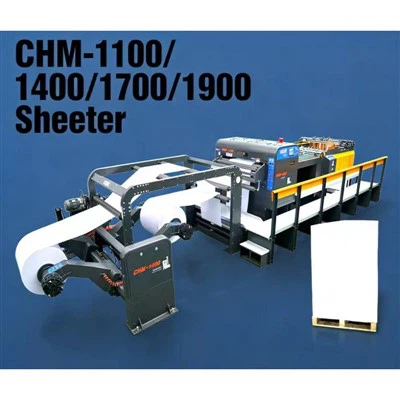
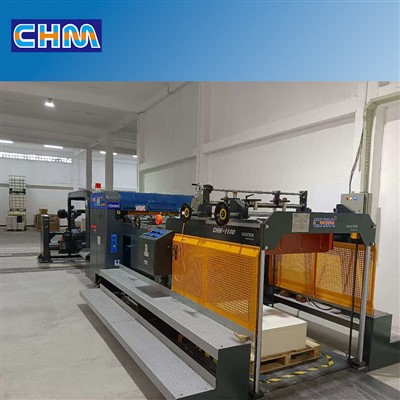
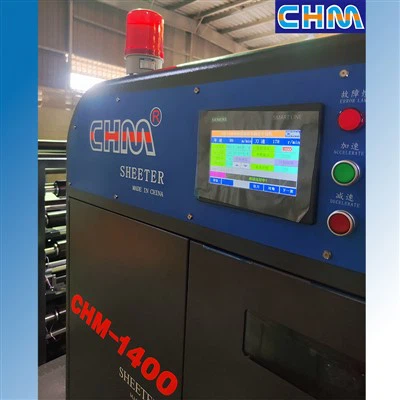
Structurally, blanking machines are mainly divided into two categories: mechanical and CNC. Mechanical blanking machines rely on fixed molds and a punching linkage mechanism to complete the cutting. They have a simple structure, low manufacturing cost, and are suitable for production with a single product type and large batch size. CNC blanking machines, on the other hand, are driven by servo motors and program control, allowing for flexible adjustment of the cutting path and size, making them suitable for flexible production with multiple product types and small batch sizes. The two also differ in appearance; mechanical blanking machines typically have an open frame, while CNC blanking machines often feature a closed protective cover and display screen.
Regarding control methods, mechanical blanking machines rely on manual mold changing and positioning block adjustment, offering intuitive operation but low switching efficiency. CNC blanking machines can automatically execute the process by inputting the machining program and can modify parameters during operation, achieving complex contours and high-precision cutting. CNC-controlled machines offer a higher level of intelligence and can interface with production management systems, while mechanical machines rely more on the experience of on-site personnel.
Based on applicable materials and thicknesses, blanking machines can be categorized into metal-specific, non-metal general-purpose, and multi-functional composite types. Metal-specific machines typically employ high-strength blades and high-power drives, suitable for hard materials such as thick steel plates and stainless steel. Non-metal types are mostly used for soft or medium-hardness materials such as plastic sheets, cardboard, and leather, with relatively lightweight blades and pressure settings. Composite types are compatible with multiple materials by changing blades and adjusting parameters, but the range of materials that can be processed in a single operation is somewhat limited.
In terms of operating methods, there are single-cut and continuous feeding models. Single-cut machines require refeeding after each operation, suitable for small-batch or experimental processing. Continuous feeding machines are equipped with automatic feeding rollers or belts, allowing for batch separation of long or rolled materials without stopping the machine, significantly improving efficiency.
There are also differences in safety and maintenance. CNC blanking machines are generally equipped with multiple electronic protection and fault diagnosis functions, which can provide early warnings of tool wear or positioning deviations. Mechanical blanking machines rely more on mechanical limits and manual inspection, making maintenance relatively simple but dependent on frequent inspections.
Furthermore, there are significant differences in price and operating costs. Mechanical blanking machines have lower initial investment and lower energy consumption, making them suitable for scenarios with limited budgets and simple product lines. CNC blanking machines have higher initial investment, but they can save mold changeover time and manpower, making them more economical in the long run in environments with fluctuating orders.
Overall, the differences in blanking machines lie in their structural form, control method, applicable materials, operating modes, safety and maintenance, and cost. Only by weighing these dimensions according to production needs can a machine model that meets process requirements and is economical and practical can be selected, providing reliable support for continuous and efficient production.