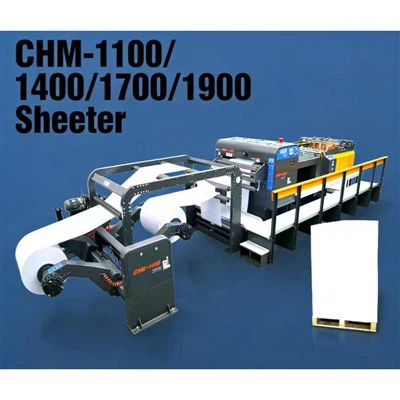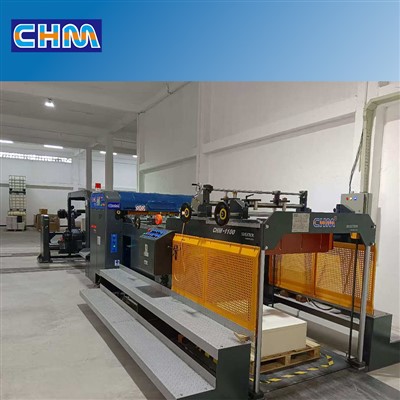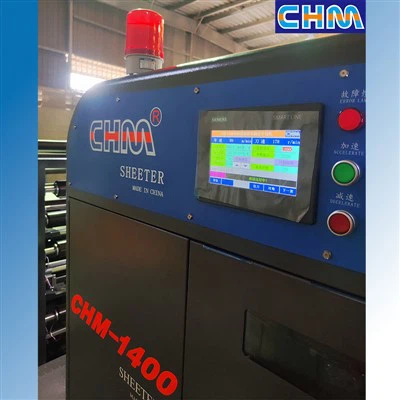
A blanking machine is a device used to separate and deliver materials from raw materials to the next process according to specified shapes and quantities. It is widely used in metal processing, plastic molding, wood processing, and food packaging. Through automation or semi-automation, it replaces traditional manual sorting and delivery, significantly improving production efficiency and operational consistency.
In terms of working principle, a blanking machine typically first transports raw materials to a positioning area via a feeding system. Then, molds, cutters, or sorting mechanisms cut, stamp, or separate the materials into individual pieces according to preset specifications. Subsequently, the materials fall into designated containers or conveying devices by gravity or a pushing device. This process allows for high-speed continuous operation, reducing intermediate stops and increasing output per unit time.
In the metal processing field, blanking machines are commonly used for blanking sheet metal and bar stock. For example, in sheet metal processing, blanking machines can cut large metal sheets into blanks of the required shapes according to drawings, providing parts with precise dimensions for subsequent bending and welding. In profile processing, it can cut long materials to fixed lengths, facilitating classification management and assembly. Mechanical blanking machines rely on the cooperation of punch presses and dies, while CNC blanking machines can achieve one-time forming of complex contours through program control, offering higher precision and greater flexibility.
In the production of plastic and rubber products, blanking machines can slit and feed sheets or pre-formed products before thermoforming, ensuring uniform feeding and stable rhythm in the forming machine, reducing waste and energy consumption from repeated heating. In wood processing, it can saw large pieces of wood into boards or squares according to specifications, providing qualified blanks for paneling and furniture manufacturing.
The food and packaging industries also use specialized blanking machines. For example, in biscuit and candy production lines, it separates formed individual products from the conveyor belt and places them into the packaging station, ensuring accurate counting, neat placement, and improving packaging speed and hygiene safety.
The advantages of blanking machines are mainly reflected in several aspects: First, they improve efficiency, allowing for continuous high-speed operation, far exceeding the speed of manual sorting; second, they ensure precision and consistency, reducing dimensional differences and defect rates; third, they reduce labor intensity and human error, improving the working environment; and fourth, they save raw materials by optimizing layout and reducing waste from edges and corners. With the development of intelligent manufacturing, many blanking machines have achieved numerical control and intelligence, equipped with sensors to monitor material status, automatically adjust parameters, and connect with upstream and downstream equipment to form flexible production lines, further expanding their application scope and adaptability.
Overall, blanking machines, with automatic separation and feeding as their core functions, have become indispensable basic equipment in modern manufacturing due to their high efficiency, precision, and stability, providing solid support for continuous production and quality control in various industries.