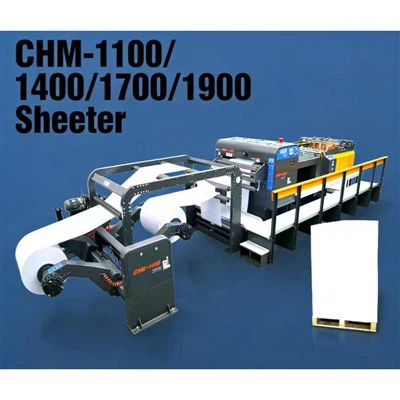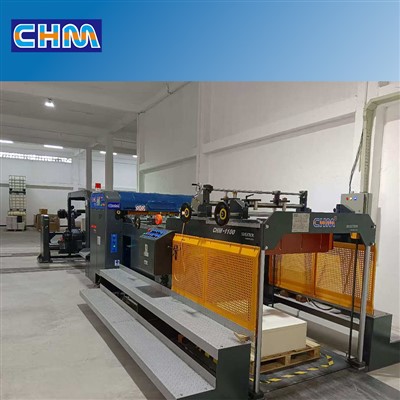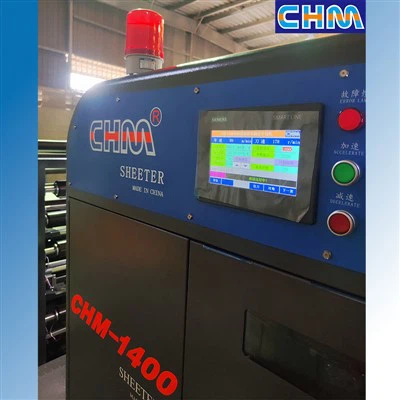

In the printing and packaging industry, good equipment is "nurtured" through proper care. A CHM-SGT series High Precision Synchronize-fly Sheeter operates stably at 300 cuts per minute, maintaining cutting accuracy within ±0.5mm over the long term. Such performance is achieved through consistent, disciplined maintenance.
However, in actual production, maintenance is often overlooked. When accuracy begins to drift – cutting length deviation expanding from 0.5mm to 0.8mm or 1mm, or increased paper dust around the knife section – the machine has already been sending signals. By the time operators notice quality issues, non-conforming sheets have already been produced for some time.
Daily Checks (Every Shift)
Check knife edge condition. Gently run a fingertip along the cutting edge of both upper and lower spiral blades. Any roughness, burrs, or nicks indicate the blade needs attention. Sharp blades produce clean edges with minimal dust; dull blades tear fibers, generating dust that clogs sensors and increases servo load.
Check the full-width mesh belt and suction fans. Paper dust accumulates on the belt surface and in fan filters. Wipe the belt with a dry, lint-free cloth and visually inspect that all suction fans are operating. Blocked fans cause uneven suction, causing lightweight sheets to deviate from the proper path.
Check the static elimination system. Static electricity causes sheets to stick together or adhere to the machine frame, affecting stack alignment. Inspect static elimination bars for dust accumulation and clean when necessary. If the sheet stack consistently shifts to one side, static is a common cause.
Record material weighing and stack height data. These figures provide a baseline reference. Gradual changes in stack height for a given sheet count may indicate variations in paper caliper or potential overlapping issues.
Weekly Checks
Clean and calibrate the sheet length sensor. Dust on the optical sensor lens causes unstable triggering and length errors. Wipe the lens with a lint-free cloth and isopropyl alcohol, then run the built-in calibration routine. Measured length should be within ±0.5mm tolerance. If deviation occurs, adjust through the Siemens PLC human-machine interface.
Lubricate all grease points. Knife drum bearings, infeed nip roller bearings, and stacker jogger mechanisms all require lubrication according to the machine's lubrication chart. Always use the manufacturer-recommended grade – typically lithium-based EP2 for bearings and food-grade grease near the paper path. Over-greasing is as harmful as under-greasing.
Check belt tension and tracking. The mesh belt stretches over time. A loose belt may slip on the drive pulley, causing intermittent sheet transport issues. Check tension with a belt tension gauge and adjust to specified parameters. Observe belt tracking at running speed to prevent edge damage.
Monthly and Quarterly Checks
Sharpen or replace rotary knives. Sharpening intervals depend on paper type, typically every 400,000 to 600,000 linear meters, but daily knife condition checks should determine actual timing. When removing knives for grinding, clean the knife drum thoroughly and check dynamic balance. Imbalance creates vibration that accelerates bearing wear.
Inspect the electrical control cabinet. The Siemens PLC and servo drive systems generate heat during operation and rely on clean, filtered air for cooling. Replace or clean cabinet air filters monthly. Check all cable connections are secure and drive terminals show no signs of overheating.
Drain the compressed air filter. Pneumatic systems – including knife adjustment and stacker air jets – depend on dry, clean compressed air. Moisture in air lines causes unstable cylinder operation. Drain water from the filter weekly and replace the filter element quarterly.
Full calibration check. Perform a complete calibration quarterly: verify cutting length with a calibrated steel ruler, check squareness with a carpenter's square, and measure cutting consistency across 100 consecutive sheets. Record results and compare with the previous quarter.
Common Maintenance Mistakes
Using blades beyond the sharpening interval because "the cut still looks acceptable." Blades degrade gradually, and operators who see the machine daily may not notice the decline. Objective assessments like daily fingertip tests and weekly dust checks provide reliable indicators.
Using any available grease instead of the specified grade – mixing incompatible greases causes bearing failure.
Ignoring belt tension because sheets are still stacking – a loose belt wears the pulley surface and eventually breaks at the splice. Replacement costs far exceed adjustment costs.
Failing to keep maintenance records – logs that document blade replacements, bearing changes, calibration adjustments, and observations build equipment history, predict future needs, and serve as management evidence when customers question quality.

Establishing a Maintenance System
The tasks above should be incorporated into a written maintenance plan with assigned responsibilities and sign-off upon completion. The plan should be kept with the machine, and logs reviewed monthly by the production supervisor. When selecting new equipment or upgrading existing lines, choosing machinery with detailed maintenance documentation and accessible service points helps establish maintenance habits from day one. The CHM-SGT series is designed with convenient access to the knife section, belt tensioners, and lubrication points.
Systematic, documented maintenance rewards operators with years of reliable high-speed operation. When the maintenance plan is strictly followed, the Roll Paper Sheeter maintains its precision, produces clean sheets, and avoids unplanned downtime that disrupts production schedules and erodes profitability.
How to contact with us:
Email: chm007@szchm.com
Wechat/Phone/WhatsApp:+8617371066702
Follow me on Social Media:
Facebook: https://www.facebook.com/facebookCHMCassie/
Instagram: https://www.instagram.com/chm_sheeter_cassie/
LinkedIn: www.linkedin.com/in/chm-cassie-she-6b6200302
Youtube:www.youtube.com/@CassieShe